


How Can a U.S. Citizen Sponsor a Spouse for a Green Card?
How Can a U.S. Citizen Sponsor a Spouse for a Green Card?
For many couples, marriage is the beginning of building a life together. When one spouse is not a U.S. citizen, that future may also involve navigating the immigration process to obtain lawful permanent residence, commonly known as a green card.
While marriage to a U.S. citizen can create a pathway toward permanent residency, the process involves several important steps, documentation requirements, and government review procedures.
Many couples ask:
- How do we start the green card process?
- What forms are required?
- How long does the process take?
- What documents do we need?
- What happens during the immigration interview?
Understanding the process can help couples prepare and avoid unnecessary delays.
At Diaz Shafer Immigration, we help families throughout Tampa and Florida navigate marriage-based immigration matters with experienced legal guidance.
Who Can Sponsor a Spouse for a Green Card?
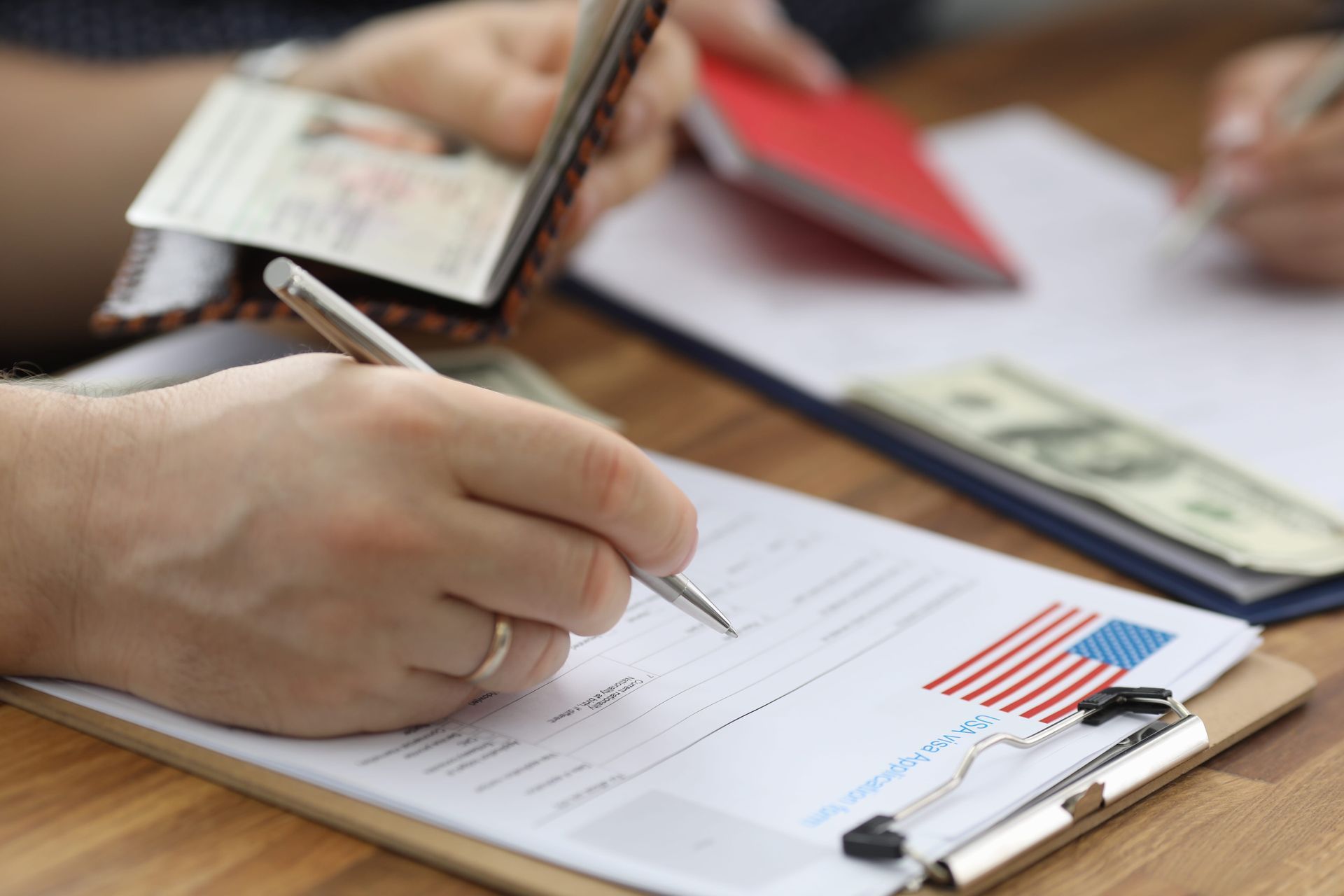
A U.S. citizen may sponsor a husband or wife for lawful permanent residence through a marriage-based immigration petition. The process generally begins by filing Form I-130, Petition for Alien Relative, with U.S. Citizenship and Immigration Services (USCIS).
The purpose of this petition is to establish that a valid marital relationship exists between the U.S. citizen and the foreign national spouse.
Proving the Marriage Is Genuine
USCIS carefully reviews marriage-based immigration cases to confirm that the marriage is legitimate and not entered into solely for immigration benefits.
Examples of evidence may include:
- Marriage certificates
- Joint bank account records
- Lease or mortgage documents
- Insurance policies
- Photographs together
- Tax records
- Evidence of shared financial responsibilities
Providing organized and accurate documentation is often an important part of the process.
What Forms Are Usually Required?
While every case is different, marriage-based green card applications often involve forms such as:
- Form I-130
- Form I-130A
- Form I-864 (Affidavit of Support)
- Form I-485 (if applying from within the United States)
Additional forms may be required depending on the circumstances of the case.
If the Spouse Is Already in the United States
In some situations, a spouse who is already in the United States may be eligible to apply for a green card through a process known as:
Adjustment of Status.
This allows the applicant to seek permanent residence without leaving the country. Many spouses of U.S. citizens may be eligible to file certain forms concurrently, depending on their circumstances.
If the Spouse Lives Outside the United States
When the spouse is living abroad, the case often proceeds through:
Consular Processing.
After USCIS approves the initial petition, the case is forwarded for additional processing before an interview is scheduled at a U.S. embassy or consulate in the spouse's home country.
Understanding the Affidavit of Support
Most marriage-based green card cases require the U.S. citizen spouse to submit an Affidavit of Support using Form I-864. This document demonstrates the sponsor's ability to financially support the immigrant spouse.
The financial sponsorship obligation is an important part of the immigration process and should be carefully reviewed before filing.
What Happens During the Interview?
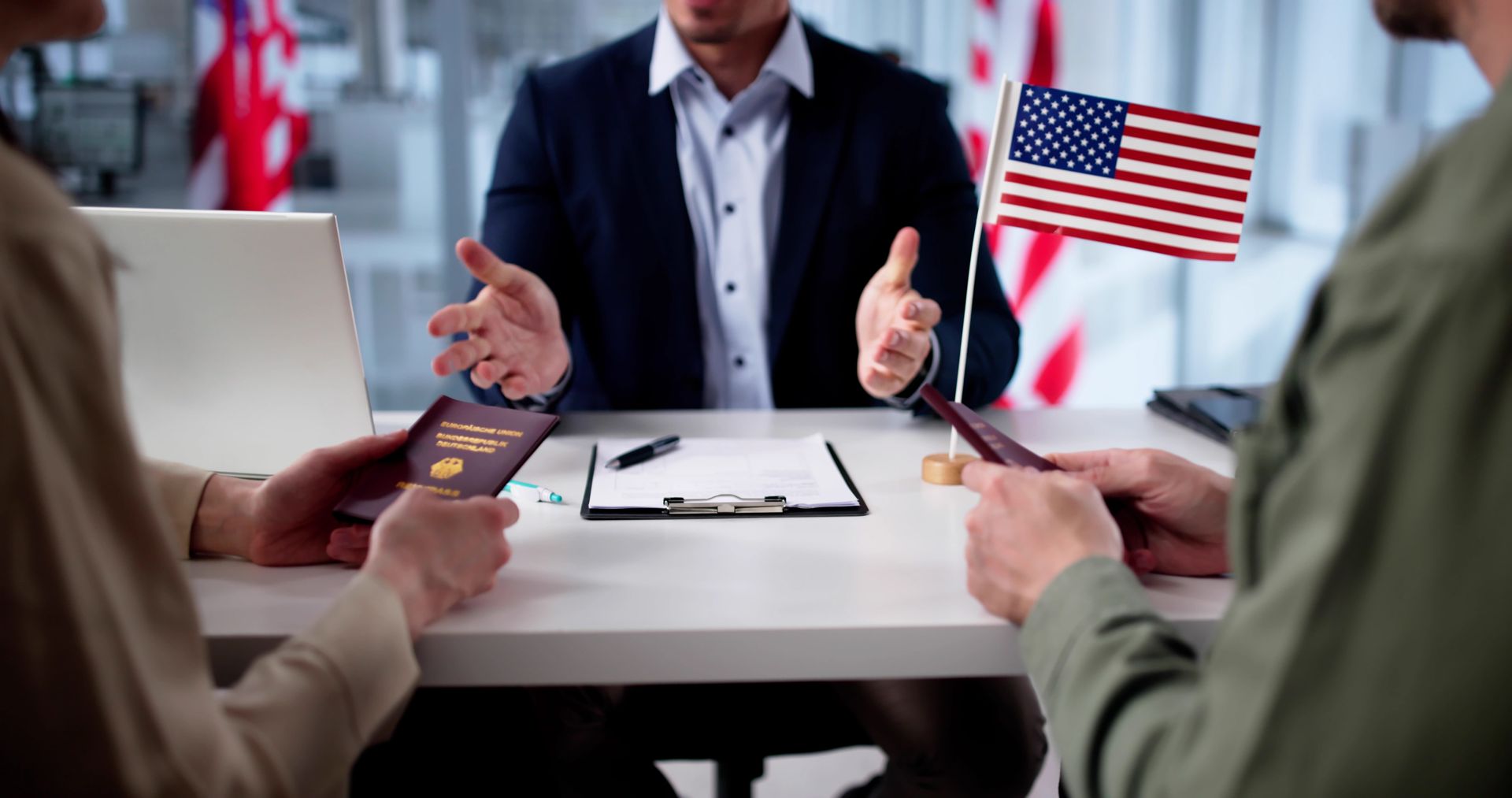
Most marriage-based green card cases involve an immigration interview. During the interview, immigration officials may ask questions about:
- The relationship history
- Living arrangements
- Family members
- Shared finances
- Future plans as a married couple
The purpose is generally to verify the authenticity of the marriage and confirm eligibility for immigration benefits.
Conditional Green Cards
If the marriage is less than two years old when permanent residence is granted, the spouse may receive a:
Conditional Green Card.
The couple must later file additional paperwork to remove the conditions and obtain permanent resident status without restrictions.
Why Accuracy Matters
Marriage-based immigration applications often require extensive documentation and careful preparation. Missing information, inconsistent answers, or filing mistakes can lead to delays and additional requests from immigration authorities. Recent reports also indicate increased scrutiny of marriage-based immigration cases, making thorough preparation especially important.
Working with experienced legal guidance may help couples better understand the process and avoid common issues.
How Diaz Shafer Immigration Can Help
At Diaz Shafer Immigration, we help couples throughout Tampa and Florida navigate marriage-based immigration matters, including spouse sponsorship petitions, fiancé visas, adjustment of status applications, and family-based immigration cases.
Our goal is to help families understand their options, prepare strong applications, and move forward with confidence throughout the immigration process.
Learn More About Marriage-Based Immigration
If you are a U.S. citizen seeking to sponsor your spouse for a green card, understanding the process early can help you prepare for the steps ahead.
Contact Diaz Shafer Immigration today at 813-303-0650 to schedule a consultation and discuss your marriage-based immigration options.